











CBD
There are loads of CBD vape pens for sale these days, and it can be hard to choose the right one for your needs. To make it easy for you, we’ve cherry-picked our top 5 most popular CBD vape pens Who are CBD Vape Pens


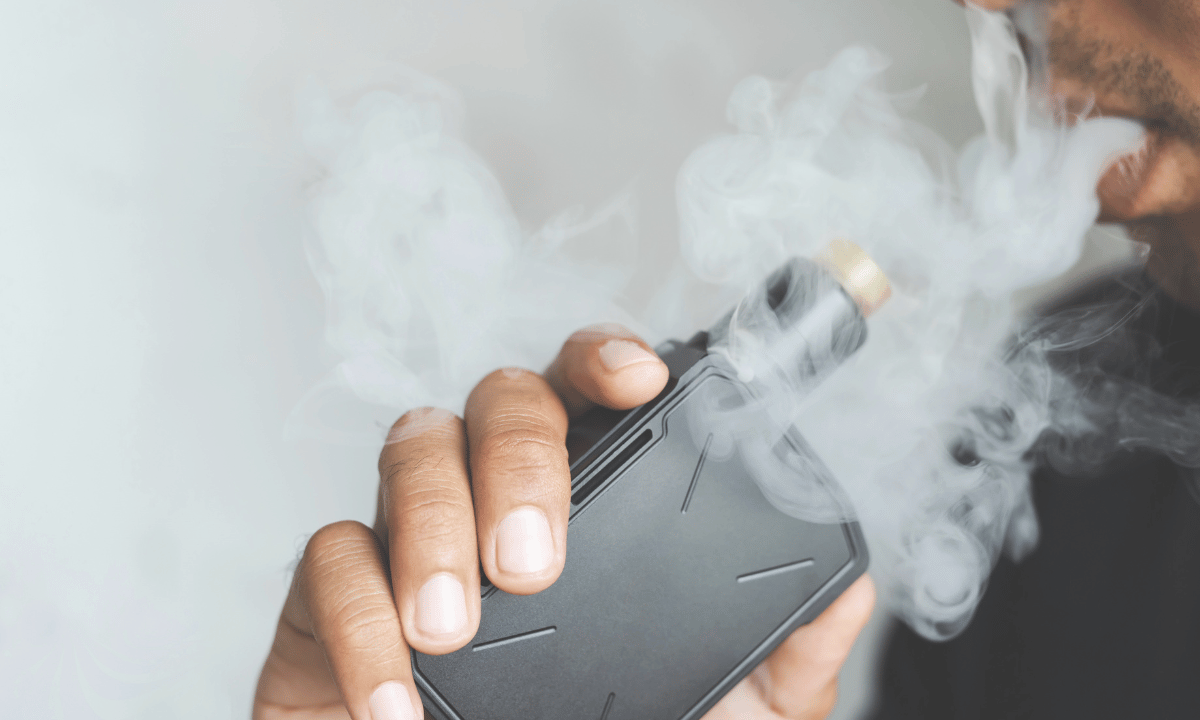
Heat changes everything, especially when it comes to cannabis. THCA (tetrahydrocannabinolic acid) is non-psychoactive in its raw form, but the moment you apply heat? A chemical reaction known as decarboxylation kicks in, transforming THCA into Delta 9 THC, the compound responsible for cannabis’ signature effects.
This isn’t just theory, it’s science in action. When you light up, bake, or vape cannabis, the heat strips away a carboxyl group from THCA, instantly converting it into Delta-9 THC. That’s why eating raw cannabis won’t get you high, but smoking or cooking it will. Understanding this process isn’t just interesting but critical for controlling potency, optimizing effects, and making informed choices about cannabis consumption.
So, what really happens when you smoke THCA-rich flower? How much of it converts into Delta-9 THC? And does the smoking method matter?
Let’s break it down.
THCA (tetrahydrocannabinolic acid) and Delta 9 THC are almost identical in the cannabis family, but their effects in your body are vastly dissimilar.
THCA is most plentiful in raw, unheated cannabis products like fresh flower buds, raw cannabis oils, or freshly plucked buds. Key elements include:
Delta 9 THC (tetrahydrocannabinol) is the chief psychoactive compound resulting in the classic cannabis “high”. Notable effects entail:
No. THCA in its raw form does not produce psychoactive effects. Only when it is heated and decarboxylated does it become Delta-9 THC, the compound responsible for cannabis’ intoxicating effects.
THCA (tetrahydrocannabinolic acid) is the precursor to THC, the compound most associated with cannabis’ psychoactive effects. But if you consume THCA in its raw form, such as by juicing fresh cannabis leaves, it won’t get you high. The magic happens when heat is applied. This process, called decarboxylation, removes a carboxyl group from THCA, converting it into (Delta-9) THC, the primary psychoactive compound in cannabis.
The conversion of THCA to Delta-9 THC (decarboxylation) begins at approximately 220°F (104°C), but the process is time- and temperature-dependent, with optimal conversion achieved at slightly higher temperatures over appropriate time periods.
Vital Temperature Points:
Higher temperatures increase conversion speed, but those common in smoking (flame tips reaching up to 2000°F) can degrade significant portions of THC and terpenes, potentially reducing product potency and altering flavor.
Decarboxylation is a chemical reaction triggered by heat, light, or time. When cannabis is smoked or vaporized, the high temperature rapidly transforms THCA into Delta 9 THC. The same principle applies to baking cannabis for edibles, but at lower temperatures to preserve potency.

Smoking cannabis exposes it to high temperatures, often exceeding 600°F (315°C) at the tip of a flame. This rapid heating ensures that most of the THCA content is converted into Delta-9 THC before it reaches your lungs. However, not all THCA fully transforms, and some may degrade into CBN (cannabinol), a mildly psychoactive cannabinoid known for its sedative effects.
While smoking cannabis converts 60-90% of THCA into Delta-9 THC, the process isn’t perfect. Some studies suggest that higher temperatures may lead to partial degradation of THC into CBN, reducing the overall potency. This means that while smoking remains one of the most common methods of consumption, it’s not always the most efficient in preserving cannabinoids.
To get the most out of your cannabis, consider these strategies:
Yes! The strain, cultivation method, and cannabinoid content influence how much THCA is available for conversion.
Terpenes, the aromatic compounds in cannabis, also play a crucial role in the experience. When heated, they produce various effects that interact with THC, enhancing the overall psychoactive and therapeutic impact. However, many terpenes have lower boiling points than THC, meaning they may burn off at high temperatures.
Best Practices to Preserve Terpenes:
Understanding how THCA transforms into Delta-9 THC when smoked can help you make informed choices about your cannabis consumption. Whether you prefer smoking, vaping, or making edibles, knowing the science behind decarboxylation allows you to optimize potency, preserve terpenes, and enhance your overall experience. By experimenting with different temperatures, consumption methods, and strains, you can find the best way to enjoy the full benefits of cannabis while maximizing efficiency.
Stay curious, stay informed, and most importantly, enjoy responsibly!
To contact us for product guidance, visit our website or email customerservice@bigbudzcbd.com.

There are loads of CBD vape pens for sale these days, and it can be hard to choose the right one for your needs. To make it easy for you, we’ve cherry-picked our top 5 most popular CBD vape pens Who are CBD Vape Pens
Maintaining good health is essential for living a fulfilling life. Unfortunately, many factors such as stress, poor diet, and lack of physical activity can make it difficult to achieve optimal health. The good news is that there are many products available that can help

As the popularity of CBD products continues to rise, many individuals are curious about the effects of CBD products and are asking the question, “does CBD make you feel spacey?” Another way of expressing this is, does CBD make you feel disoriented? This article


Accessibility Statement for Big Budz CBD
This is an accessibility statement from Big Budz CBD.
Conformance status
The Web Content Accessibility Guidelines (WCAG) defines requirements for designers and developers to improve accessibility for people with disabilities. It defines three levels of conformance: Level A, Level AA, and Level AAA. Big Budz CBD is non conformant with WCAG 2.1 level AA. Non conformant means that the content does not conform the accessibility standard.
Date
This statement was created on 24 May 2022 using the W3C Accessibility Statement Generator Tool.